The most common and underestimated cause of hair fall is poor nutrition. Nutrients like iron, protein, vitamin D, zinc, and omega-3 fatty acids are essential for healthy hair growth. The body views hair as non-essential, so when nutrients are low, hair is the first to be affected. Stress is another major trigger, disrupting hormonal balance and digestion, both linked to hair health.
Hair-raising Growth

The Indian hair growth supplement and treatment market is projected to reach $1.1 billion (Rs 9.6 crore) by 2033, expanding at a compound annual growth rate (CAGR) of 3.10% between 2025 and 2033, according to research by MARC Group. Rising concerns
related to hair loss and thinning, increasing pollution and stress levels, growing awareness of scalp health, demand for natural and Ayurvedic solutions, expanding urbanisation, higher disposable incomes, influencer-driven marketing, and a surge in male grooming and self-care trends are major factors contributing to the growth of the Indian hair growth products market. Additionally, a shift from pharmaceuticals to nutraceuticals, motivated by safety concerns and heightened awareness of the nutritional benefits of supplements, is further propelling the market.
We spoke with Saloni Anand, a former techie who co-founded Traya, a holistic health-tech brand, with her husband Altaf. Traya is the only company in India that combines the goodness of Ayurveda, Dermatology, and Nutrition for hair loss management. With a data-driven focus, Saloni aims to enhance health outcomes and lead a movement for healthier living through Traya.
1. Can you take us through the techniques and technologies currently being used in the hair treatment industry to prevent hair fall and help regrowth?
The hair treatment industry has seen a significant evolution in recent years, with a blend of clinical innovation and technology-driven personalisation. On the clinical side, treatments like PRP (Platelet-Rich Plasma) therapy, low-level laser therapy (LLLT), microneedling, and hair transplants are widely used to stimulate regrowth and strengthen follicles. These treatments, while effective, are often expensive and not always accessible to everyone. What’s more exciting is the shift toward tech-enabled, personalised solutions. Many brands are now using AI diagnostics, scalp imaging, and digital consultations to offer more targeted recommendations. At Traya, we’ve been at the forefront of this movement. Our AI-powered online hair test evaluates internal health markers like digestion, stress, and hormonal imbalances to
diagnose the root cause. This forms the basis of a fully customised treatment plan integrating Ayurveda, dermatology, and nutrition. Our integrated technology platform enables personalised care at scale, tracking each user’s progress in real time and allowing doctors to adjust treatments as needed. This ensures that every plan evolves with the individual. The future of hair care lies in precision: combining scientific insight, data-driven diagnostics, and continuous support to deliver meaningful, long-term outcomes.
2. The problem of hair fall is increasingly becoming universal, and more and more people are looking for solutions, but at the same time, many are skeptical about the treatments working. What is the normal success rate of hair treatments?
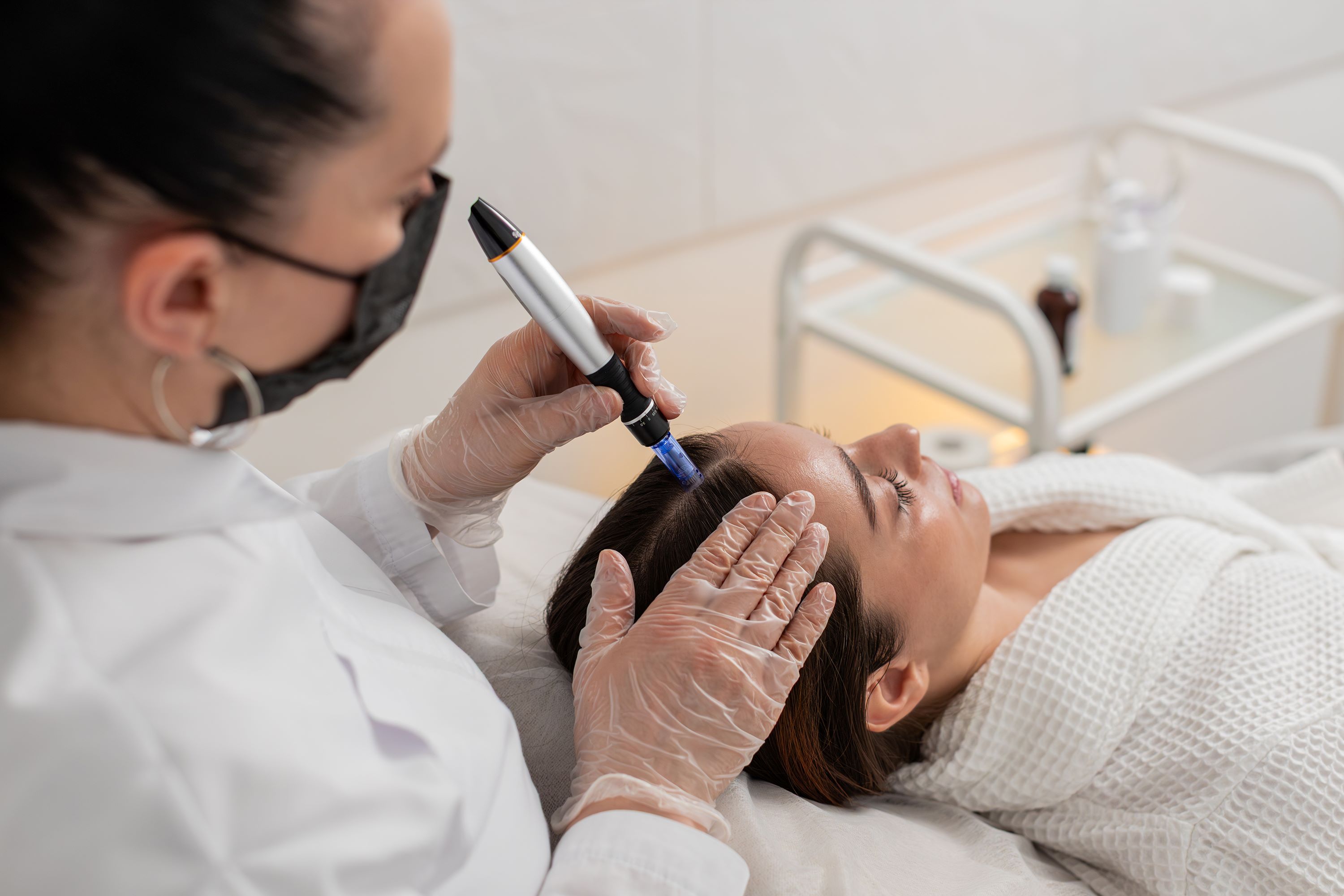
The success rate of hair treatments varies significantly based on the method and how well it is aligned with an individual’s root cause. Surgical options such as hair transplants boast high success rates, often between 90–98% but they’re invasive, expensive, and typically a last resort. PRP therapy and medications like Minoxidil or Finasteride show moderate results, working for about 40–60% of users, and even then, only with strict consistency and long-term use. The real challenge? Most people are sold solutions before being diagnosed. That’s why generic, one-size-fits-all products fail to deliver because they treat symptoms, not causes. At Traya, we do things differently. We begin with diagnosis and treat hair loss as a chronic
health issue, not a cosmetic concern. By combining Ayurveda, dermatology, and nutrition in a personalised plan, we’ve achieved up to a 93% success rate among users who follow the regimen consistently for 5–6 months. It’s not a quick fix, but it’s the right one because when you treat the root cause, results follow.
3. How is the hair treatment industry leveraging technology, particularly AI, to analyse hair and offer tailored recommendations and products?
While still evolving, the hair treatment industry is beginning to leverage AI in more meaningful ways. The most impactful use of AI is in assessing the stage of hair loss an individual is in and predicting the timeline they may need to see visible results. This helps create a far more realistic and structured treatment journey, moving beyond the traditional one-size-fits-all approach. It goes beyond just recommending products—it’s about setting realistic expectations and building accountability into the treatment journey. By analysing patterns in symptoms, lifestyle inputs, and progress data, AI can help guide a truly personalized and adaptive treatment plan, making the process more scientific and result-oriented.
4. For common people, hair loss and hair fall are one and the same thing, but experts see it differently. What is the actual difference between the two?
While most people use the terms interchangeably, there’s a clear clinical difference between hair fall and hair loss. Hair fall is part of the natural hair cycle; everyone sheds 50 to 100 strands a day. It’s normal and temporary, often influenced by seasonal changes, stress, or minor dietary shifts. It usually doesn’t lead to visible thinning and often resolves on its own. Hair loss, on the
other hand, is progressive and more concerning. It occurs when the rate of hair shedding exceeds the rate of regrowth, leading to thinning, bald patches, or reduced density over time. This is often a result of deeper, chronic issues such as hormonal imbalances, nutritional deficiencies, autoimmune conditions, or genetic factors. The key is understanding when everyday shedding turns into a long-term pattern and acting early. At Traya, we help people make that distinction through diagnostics, so they know whether they’re experiencing a temporary phase or a sign of something deeper that needs attention.
5. There could be various reasons for hair fall, but if you were to name the commonest cause, what would it be?
The most common and underestimated cause of hair fall is poor nutrition. Most people instinctively turn to topical solutions: shampoos, serums, oils, hoping for quick fixes. But if your internal health is neglected, no external product can truly help. Fix your nutrition. It’s the one thing that has a direct, lasting impact on how your hair grows, feels, and looks. Nutrients like iron, protein, vitamin D, zinc, and omega-3 fatty acids are essential for healthy hair growth. What many people don’t realise is that the body views hair as non-essential, so when nutrients are low, your hair is the first to be affected.
Another major trigger is stress. Often, people push through burnout without recognising the toll it takes on the body and the scalp. Chronic stress disrupts hormonal balance and digestion, both of which are intricately linked to hair health. If you’re looking to make one meaningful change, start by taking care of your body, both in what you eat and how you manage your stress. Balanced meals and
better mental well-being will do far more for your hair than any topical product ever can.
6. These days, you will find numerous people claiming to be experts on hair loss problems. Be it on YouTube or social media, you come across people suggesting ways to tackle hair problems. How can you identify genuine experts?
We are living in a time where anyone with a phone and a few followers can claim to be a hair expert. While social media has made information more accessible, it has also made misinformation louder. That is why it’s more important than ever to question the source. A genuine expert will always have credibility rooted in either clinical training or scientific evidence. Look for board-certified dermatologists, qualified nutritionists, or practitioners of Ayurveda with legitimate backgrounds, not just influencers repeating trends. Real experts won’t promise instant results or miracle cures. They will speak honestly about timelines, consistency, and root-cause solutions.
At Traya, every recommendation comes from medically trained professionals. Our plans are reviewed by doctors and continuously tracked. In a world full of noise, the clearest signal is someone who prioritises your long-term health over short-term views. So, ask: are they giving advice based on science, or selling a shortcut that sounds too good to be true? That answer often tells you everything you need to know.
7. Most hair loss/fall patients get anxious, but mostly delay opting for a solution. What is your advice to such people?
The hair care space is cluttered, too many products, too much noise, too many promises, making it hard for people to know what to trust. I completely understand the hesitation. But my advice is simple: start early.
If you haven’t been able to make a decision, it likely means you are not fully convinced about the current solutions you have come across, and that’s reason enough to explore other options. The longer you wait, the more anxious and stressed you become, and that only worsens the problem. Hair is often the first signal your body sends that something is not right internally. Hair loss is progressive. Delaying action doesn’t pause it. Look for a solution that treats the root cause, not just the symptom—and take that first step as soon as you can. At Traya, we’ve made that first step easy with a free hair test and medically trained coaches who offer ongoing support. The sooner you start, the more you can prevent.
8. Can you explain Traya's Threefold Way of combining dermatology, Ayurveda, and nutrition to target the root cause?
What sets Traya apart is our innovative and holistic approach to addressing hair loss, a method that combines Dermatology, Ayurveda, and Nutrition to target the root causes of hair fall. Rather than offering temporary fixes, we focus on understanding and resolving the underlying factors behind each individual's hair loss.
Recognising that hair fall is deeply personal and multifactorial, we have developed a comprehensive framework that brings together the best of three sciences. Ayurveda contributes centuries of wisdom, helping restore internal balance and address deep-rooted imbalances that often trigger hair loss. Dermatology offers a clinical, evidence-based perspective to tackle scalp health and hair regeneration, while Nutrition addresses internal deficiencies and hormonal imbalances that impact sustainable hair growth.
By integrating these three disciplines, we ensure no aspect of the problem is overlooked. Each arm of the Threefold Way plays a critical role in restoring overall hair health, making
the approach more effective than standalone solutions. With a 93% efficacy rate and over 10 lakh success stories, Traya’s model has consistently demonstrated that a holistic, multi-treatment method delivers real, long-lasting results.
9. What inspired your journey into the hair treatment industry?
Traya was born out of a deeply personal experience. When my co-founder, now my husband, Altaf, began experiencing hair loss in his late twenties, it was a tough and frustrating phase. We tried everything we could find, from high-end clinic treatments to premium hair care products, but nothing made a truly noticeable difference. During that time, Altaf was also facing hyperthyroid and other gut-related issues, which made us realise that hair loss isn’t just a surface-level issue; it's often a sign of deeper health imbalances. That realisation pushed us to go beyond quick fixes. We partnered with experts in Ayurveda, dermatology, and nutrition to approach hair loss from multiple angles and focus on treating its root causes. Traya was shaped by our journey, created to support people who feel lost or stuck with their hair concerns, and to offer them real, science-backed solutions that work holistically. Our goal is to raise awareness that hair loss is an internal issue that requires treatment.
10. What was your initial vision when founding Traya in 2019, and how has that vision evolved since then?
When we started Traya in 2019, my vision was clear and personal: to create a genuine solution for hair loss that went beyond surface-level fixes. Watching my husband struggle with chronic hair loss and realising it was linked to underlying health issues showed me how deeply connected internal health is to hair. That’s why, from day one, we combined
Ayurveda, allopathy, and nutrition to build a holistic system that treats hair loss as a chronic health concern. Over the past five years, that vision has only grown stronger. Today, Traya delivers clinically effective, personalised care with real doctor involvement, diagnostics, and long-term support. We’re passionate about educating people, shifting the conversation toward health-first hair care, and making Traya a trusted name across India, from metros to small towns. We continue to innovate, always focused on what truly works while staying rooted in integrity.
11. How does your online hair test help?
A cornerstone of this method is Traya’s hair test, a data-driven, AI-powered diagnostic tool developed during the pandemic by Altaf, our team of doctors, and me. This tool identifies the exact contributors to hair fall, be it stress, nutritional gaps, or hormonal imbalances, allowing us to create truly personalized treatment plans that go far beyond one-size-fits-all remedies.
Our commitment to holistic care does not end at diagnosis. Traya’s approach is supported by a secure in-house CRM system that protects consumer data, building trust through data privacy. Additionally, our framework of trained hair coaches provides ongoing guidance, motivation, and support, ensuring every customer stays on track in their hair care journey.
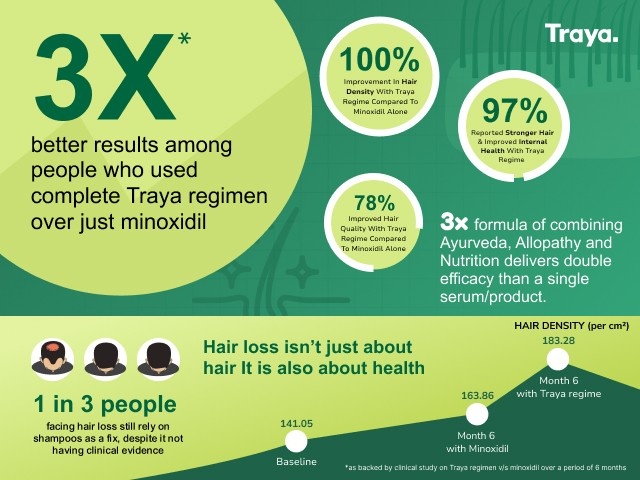
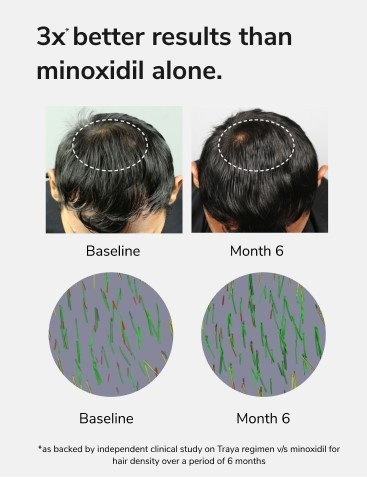
12. A recent study shows Traya’s hair regimen is three times more effective than Minoxidil alone in reducing male pattern hair loss, demonstrating the power of an integrative approach combining dermatology, nutrition, and Ayurveda. Can you elaborate on this?
One of the biggest misconceptions we’ve had to address is around Minoxidil itself. While it is a well-researched and commonly used treatment, it only offers a temporary, surface-level solution. It manages symptoms without resolving the deeper, underlying causes of hair loss, such as hormonal imbalances, nutritional deficiencies, stress, or poor gut health.
From the very beginning, we made it a priority to educate consumers about these limitations and challenge the belief that a one-size-fits-all product can work for everyone. Many people assume that Minoxidil is a universal fix or that it’s a part of every Traya plan. That is simply not true. At Traya, Minoxidil is prescribed only when it aligns with an individual’s diagnosis. Our process is entirely personalized—no two regimens are the same.
A recent six-month clinical study with 135 male participants evaluated the effectiveness of Traya’s Customised Hair Regimen for Male Pattern Hair Loss. The results were significant; our regimen was found to be three times more effective than Minoxidil alone, which has long been considered the industry standard. The study was published in the International Journal of Research in Dermatology (IJORD), a leading peer-reviewed medical journal. It serves as strong validation of Traya’s multi-treatment approach and reinforces the scientific rigour behind our solutions.
By integrating the ancient wisdom of Ayurveda with evidence-based dermatology and targeted nutritional therapy, we built treatment plans that consider everything from lifestyle to diet to digestion. This level of personalization, combined with ongoing support from our hair coaches, is what truly sets us apart.
Our focus has never been just on treatment, but on empowering consumers with knowledge and lasting results. That’s why our model not only delivers stronger outcomes but has also earned deep customer trust, leading to both clinical success and business sustainability.
13. We have all heard of ‘hair-raising’ experiences, but what about a ‘hair-restoring’ one? Tell us about that one transformation story.
We’ve been fortunate to witness so many powerful transformation stories at Traya, and honestly, every story stands out in its own way. But at the moment, the most recent one that comes to mind is Nikhil’s. His journey became the inspiration for our latest brand film featuring Sunil Grover. Nikhil’s transformation is a true example of what happens when consistency meets the right diagnosis. He came to Traya with severe hair loss and low confidence, so much so that he wore a cap everywhere just to hide his scalp. Hair fall wasn’t just affecting his appearance; it had taken a toll on how he felt about himself.
But five months into the treatment, he noticed visible changes. As his hair grew back, he started rediscovering the confidence he had lost along the way. Today, he confidently flaunts his hair and even says that he looks better now than he did in his wedding photos. That one line stayed with us because it perfectly captures the emotional impact of regaining your hair. Nikhil’s story is living proof that with the right support, hair regrowth isn’t just a possibility; it is a transformation that can bring back confidence, identity, and a sense of self-worth.
14. What challenges did you face when starting Traya, and how did you overcome them?
One of the biggest challenges we have faced since inception is addressing the widespread misconceptions about hair loss, especially those related to genetics and stress. Many people believe that hair loss is either inevitable or solely caused by stress, making it hard to shift the conversation toward a more scientific and holistic approach. Additionally, despite access to advanced research and technology, a large segment of the educated audience in India continues to prefer traditional home remedies (ghar ke nuskhe) over scientifically backed treatments. Convincing them to trust proven methods over these remedies was a significant hurdle. Another challenge was the reluctance of individuals to prioritise their health and stick to consistent self-care routines. Many delayed starting treatments, worsening their hair loss over time. For instance, a study we conducted revealed that a sizable portion of young adults aged 21-25 progressed from Stage 1 to Stage 2 of the Norwood Hair Loss Scale simply because they didn’t seek timely intervention. To tackle these challenges, we focused on education as our primary tool. We made it a priority to simplify communication, explaining not only the symptoms of hair loss but also the root causes and how our treatments address them. We introduced a personalised approach through our hair coach framework, assigning every customer a medically trained coach. These coaches work closely with doctors to adjust treatment plans as needed, ensuring a smooth and tailored experience.
Another common misconception we addressed was around Minoxidil, often regarded as the ultimate solution for hair loss. While it’s an effective and extensively tested molecule recommended for decades, Minoxidil only offers a temporary fix, managing hair loss superficially without addressing the root cause. We educated our customers about the limitations of one-size-fits-all solutions and
emphasized the importance of holistic treatments that tackle the root causes of hair loss. Our Traya treatment regimen, for example, combines Ayurveda and modern science, creating customized plans based on each consumer’s lifestyle, diet, gut health, and other factors. By focusing on education, personalization, and ongoing support, we not only overcame these challenges but also strengthened trust in Traya as a brand committed to delivering real and lasting solutions to hair loss.
15. How do you plan to take your mission of hair healthcare forward?
In 2025, we’re focused on taking Traya’s mission of hair healthcare forward by doubling down on what matters most: efficacy, transparency, science-backed solutions, and real, lasting results. Our goal is to empower consumers to make informed decisions by sharing credible information, debunking misleading claims, and showcasing the proven effectiveness of our treatments. We’re expanding our product portfolio to offer solutions tailored to specific health needs, building on the success of the Traya Nourish
Oil and the Santulan range, which addresses women’s health concerns like PCOS, menopause, and postpartum recovery. Every new product will be carefully formulated, clinically validated, and tested through customer trials to ensure it delivers measurable outcomes.
Scientific research will remain central to our approach. We’re also continuing our #QuestionTheClaim campaign, challenging exaggerated industry promises such as ‘99% hair fall reduction’ and educating consumers on the importance of personalised, multi-treatment approaches. By spotlighting misleading messaging and offering clarity through facts, we aim to build deeper consumer trust. Through these efforts, grounded in education, research, and innovation, we’re committed to building Traya as a brand that consumers can trust and leading the way in a new era of personalized hair healthcare.