As clean energy transitions with unprecedented momentum, solar energy is once again racing ahead as the fastest-scaling sector within the renewable landscape. India has crossed 100 GW of installed solar capacity, with total renewable energy capacity exceeding 247 GW—the largest share being solar.
With rapid growth in manufacturing capacity, India's solar module production capacity has doubled in recent years, driven by rising domestic demand and supported by government initiatives like the PLI scheme.
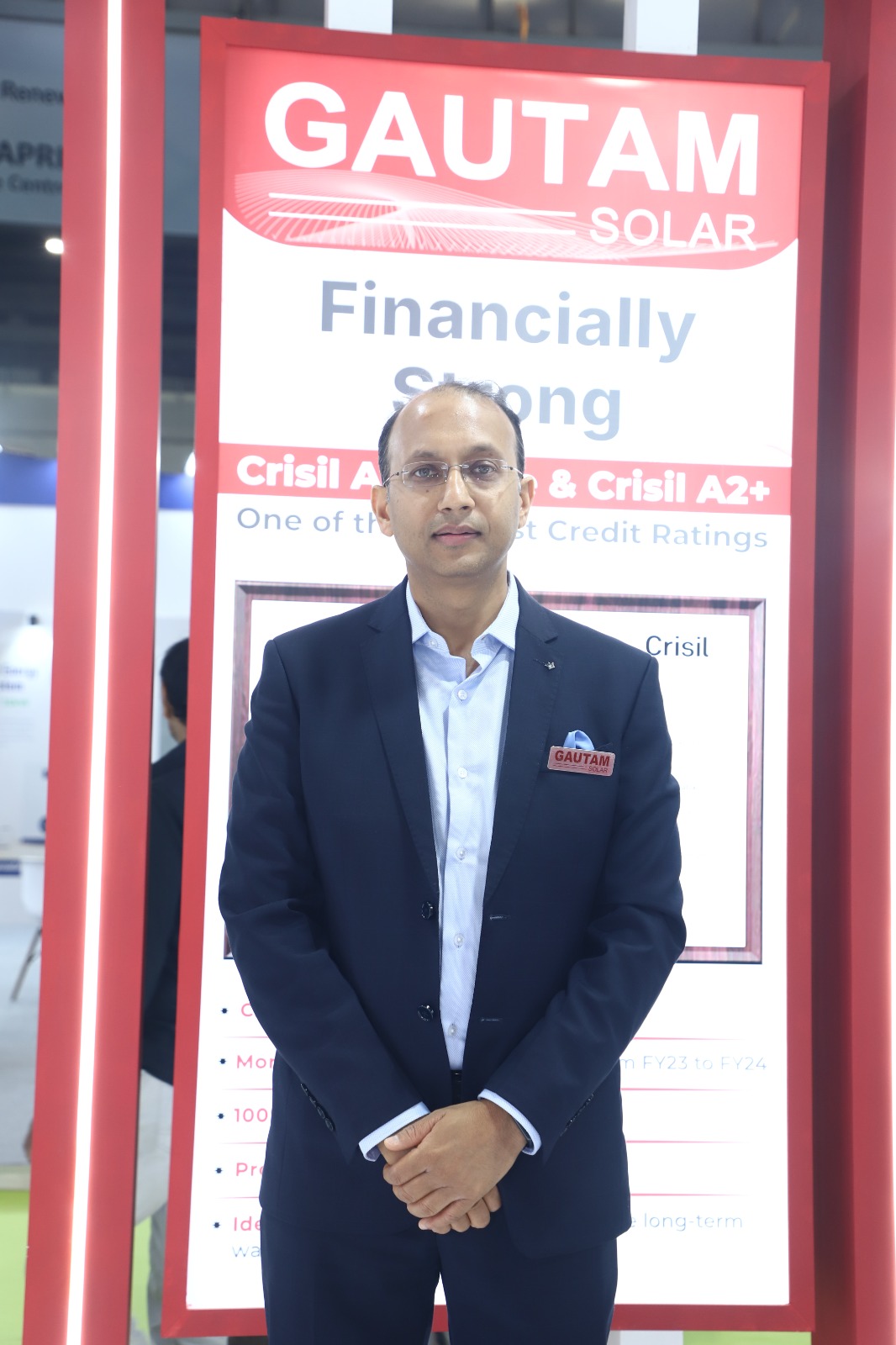
Within this ecosystem, Gautam Solar, led by Gautam Mohanka, is a promising figure among the new generation of Indian solar manufacturers seeking to scale up globally. With rapid expansion in capacity, the company has strengthened its footprint, including its foray into the US market, while aligning with India's mission of achieving 500 GW of non-fossil fuel capacity by 2030.
As the sector collaborates and competes with other green energy options like green hydrogen, battery storage, and wind, Gautam Mohanka shares insights on growth trajectory, strategic resilience, talent requirements, global expansion, and India's emergence in the international solar supply chain.
1. The solar industry is shifting from rapid expansion to an execution-and-profitability phase. How are you recalibrating Gautam Solar's strategy for this new cycle?
The solar industry is entering a phase where execution discipline, operational efficiency, and technological leadership will define long-term success. At Gautam Solar, our strategy is focused on strengthening manufacturing excellence and continuously upgrading our product portfolio in line with evolving market requirements.
A key step in this direction is our upcoming solar cell manufacturing facility in Madhya Pradesh, which will allow us to move further upstream in the value chain. By integrating cell manufacturing with our existing module production, we aim to enhance supply chain resilience, strengthen quality control, and contribute meaningfully to India's growing solar manufacturing ecosystem.
At the same time, we are actively transitioning to next-generation technologies and high-efficiency modules based on market needs, while responsibly expanding our capacity. This phase demands a sharper focus on long-term value creation—building strong teams, making disciplined investments, and ensuring that every step we take today strengthens the company's competitiveness for the next decade.
2. As solar manufacturing becomes increasingly technology-driven, where will the next real competitive advantage come from?
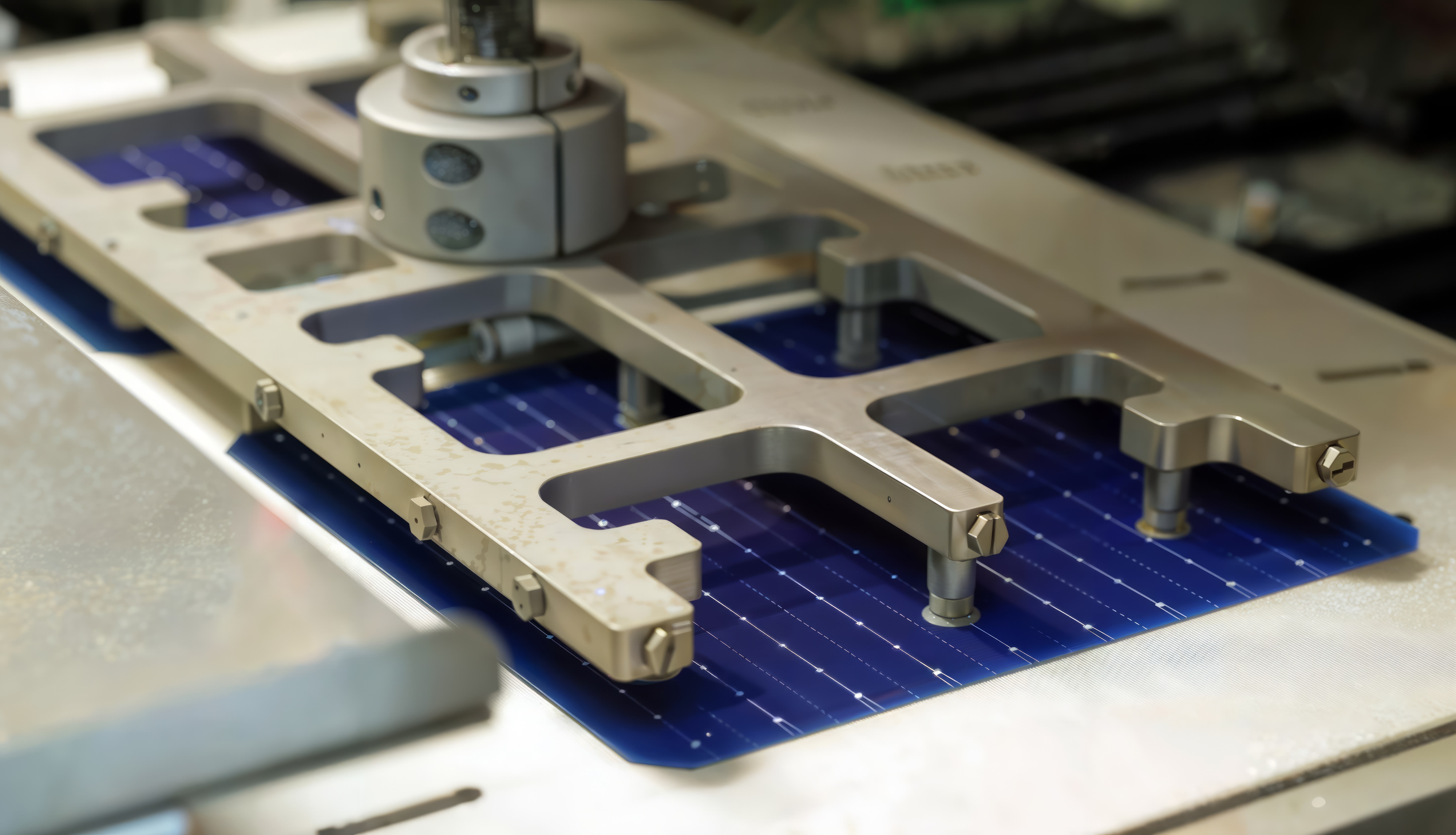
As solar manufacturing becomes increasingly technology-driven, the next competitive advantage will come from the ability to rapidly adopt and scale advanced technologies while maintaining consistent product quality. Manufacturers that invest in modern production lines, automation, and continuous process improvements will be better positioned to deliver higher efficiency modules and remain competitive in a fast-evolving global market.
Another important differentiator will be deeper integration across the solar value chain. Companies that expand capabilities beyond modules into areas such as solar cells and other components can strengthen supply chain resilience, improve cost efficiencies, and maintain greater control over product quality and performance.
Finally, the ability to combine technological advancement with strong execution will define long-term leadership. Building reliable manufacturing capacity, maintaining strict quality standards, and developing strong relationships with developers, EPC partners, and distributors will enable companies to deliver consistent value as the solar industry continues to scale globally.
3. You've built Gautam Solar into a serious global contender. What leadership decisions have defined your journey so far?
One of the defining decisions was committing early to quality and long-term credibility over short-term gains. In a fast-growing industry, it is tempting to focus only on volume, but we chose to invest consistently in manufacturing capabilities, quality standards, and customer relationships.
Another important decision has been to stay adaptable. The solar sector evolves quickly, and leaders must remain open to new technologies and market opportunities. Building a strong and capable team has also been central to our journey.
Equally important has been our commitment to continuously invest in strengthening our manufacturing ecosystem in India. As the industry evolves, we believe long-term competitiveness will come from deeper integration, technological upgrades, and strong domestic capabilities. Our upcoming solar cell manufacturing facility is a step in this direction, supporting India's vision of building a robust renewable energy supply chain while reinforcing the growth strategy of Gautam Solar.
4. In a sector shaped by geopolitics and trade policy, how do you build resilience into your strategy?
Building resilience in a sector like solar manufacturing requires a strong focus on supply chain security, technological capability, and long-term planning. At Gautam Solar, we believe strengthening domestic manufacturing is central to navigating the evolving global trade environment.
By investing in advanced manufacturing technologies and maintaining strict quality standards, we aim to ensure reliability and competitiveness despite external disruptions.
Another key pillar of resilience is value chain integration. As global trade policies and supply chains evolve, companies with greater control over critical components are better positioned to adapt.
Our upcoming solar cell manufacturing facility in Madhya Pradesh reflects this strategy, helping us move further upstream, strengthen supply chain stability, and support India's push for self-reliant renewable energy manufacturing.
Finally, building strong partnerships across developers, EPC companies, and distribution networks is equally important. By staying closely engaged with customers and understanding market needs across regions, we can respond quickly to policy changes and demand shifts. In a rapidly evolving sector, resilience comes from combining technological advancement, domestic capability, and strong industry relationships.
5. India is pushing aggressively for domestic solar manufacturing. Beyond policy incentives, what structural gaps must still be addressed?
India has already taken major strides in building a strong domestic solar manufacturing ecosystem, and the momentum remains very positive. Policies encouraging local manufacturing have created a solid foundation, and the next step is strengthening the full value chain—from wafers and cells to modules. As more companies invest upstream, India is steadily moving toward a more integrated and self-reliant solar manufacturing base.
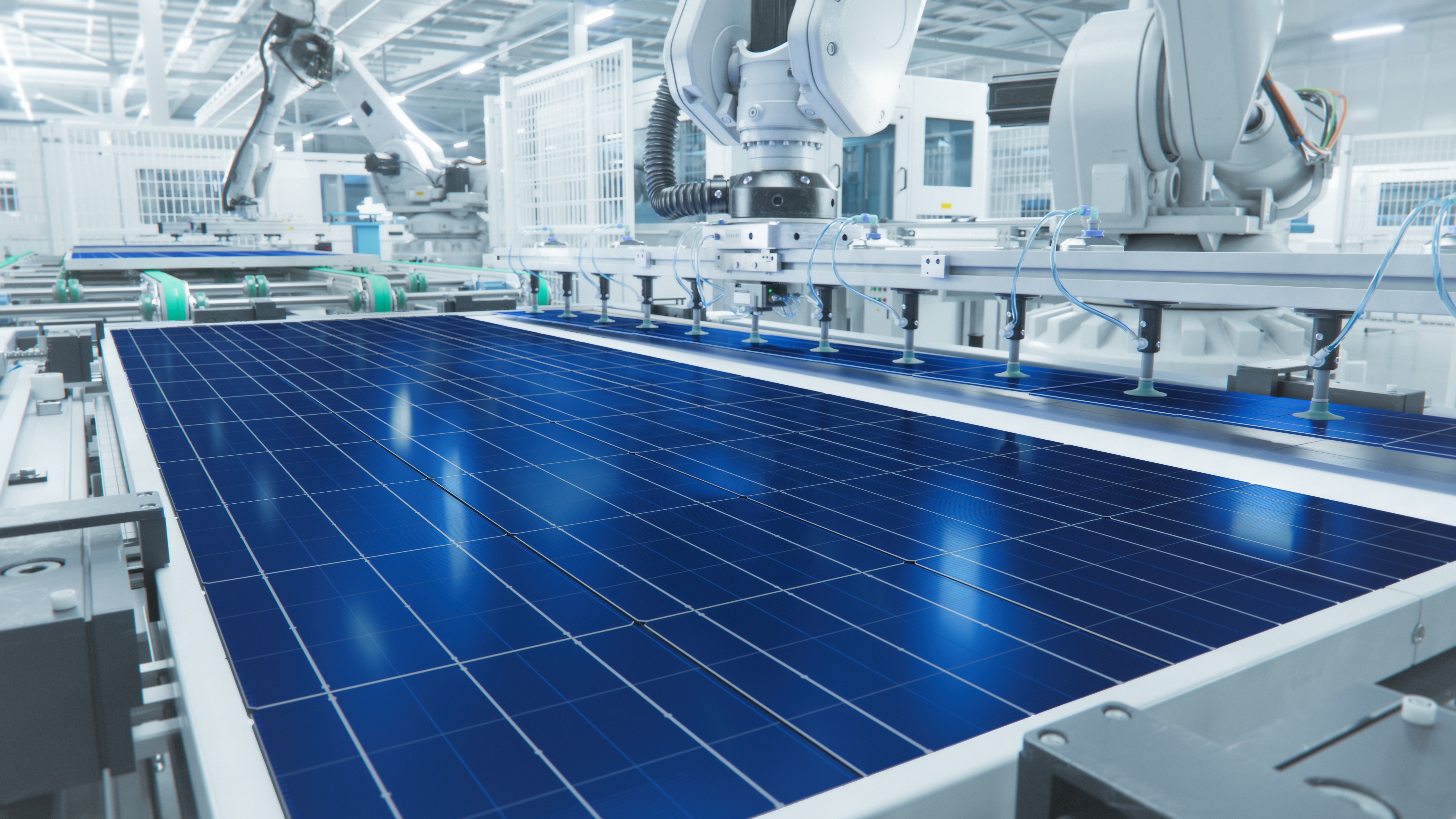
Another encouraging development is the rapid improvement in manufacturing infrastructure and technology capabilities. Indian manufacturers are increasingly adopting advanced production technologies and expanding capacities to meet domestic and global demand. With stronger industry collaboration, talent development, and improving access to capital, the sector is well positioned to enhance its global competitiveness.
Looking ahead, the combination of supportive policies, strong domestic demand, and rising private sector investment will continue accelerating solar manufacturing in India. Together, these factors are building a robust ecosystem that can support long-term industry growth while contributing to India's clean energy and energy security goals.
7. As Gautam Solar scales, what kind of talent are you actively hunting for?
As Gautam Solar continues to scale its manufacturing capabilities and expand across the solar value chain, we are actively looking for talent that combines strong technical expertise with a forward-looking mindset. This includes professionals in advanced solar manufacturing, process engineering, quality control, and R&D who can help drive innovation and improve efficiency as technologies continue to evolve.
At the same time, we value people who bring a collaborative approach and a strong commitment to sustainability and long-term industry growth. As the sector expands, talent in areas such as supply chain management, project execution, and business development is also critical to support scale while maintaining high standards of quality, reliability, and customer focus.
8. What kind of organization are you consciously building at Gautam Solar?
At Gautam Solar, we are consciously building an organization that combines strong manufacturing expertise with a culture of innovation and continuous improvement. As the solar industry evolves rapidly, it is important to create a team that is agile, technology-driven, and committed to maintaining high standards of quality and reliability across every stage of the manufacturing process.

At the same time, we aim to foster a collaborative and purpose-driven work environment where people feel empowered to contribute ideas and take ownership. By focusing on long-term capability building, strong governance, and a shared commitment to India's clean energy transition, we are working toward building an organization that can grow sustainably while creating lasting value for the industry and society.
9. Looking toward 2030, what role do you want Gautam Solar to play in India's energy transition?
Our vision at Gautam Solar is to emerge as a key contributor to India's renewable energy goals while strengthening our position as a leading solar manufacturing company in the country. By continuously investing in advanced technologies, expanding our manufacturing capabilities, and deepening our presence across the solar value chain, we aim to support India's transition toward a more sustainable and energy-secure future.
We also see significant opportunity in further upstream integration beyond solar cells and modules. As the industry evolves, expanding into additional components of the solar manufacturing value chain will help enhance supply chain resilience, improve efficiency, and contribute to the development of a robust domestic solar manufacturing ecosystem aligned with the vision of Make in India.
At the same time, our focus is on strengthening manufacturing excellence, adopting next-generation technologies, and building Gautam Solar into a globally competitive solar brand. By investing in innovation, talent, and long-term partnerships across the renewable energy ecosystem, we aim to contribute meaningfully to India's clean energy transition while expanding our presence in global solar markets.