Shipping is crucial to India's overall growth as nearly 95% of the country's trade by volume, and about 70% by value, moves through maritime routes, according to the Union Ministry of Ports, Shipping and Waterways data.
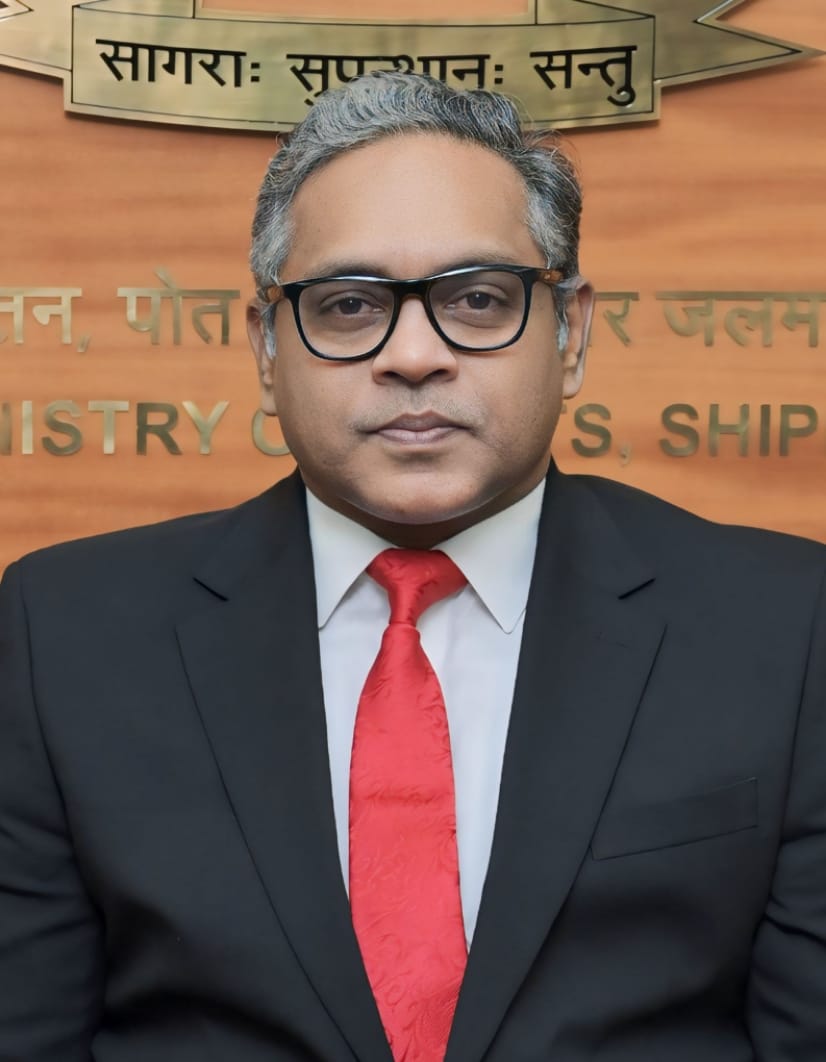
At a time when the world is facing unprecedented shipping disruptions caused by geopolitical tensions and events, India is taking steps to transform itself into a global maritime powerhouse, aiming to be among the top shipping nations commensurate with its size and potential. We spoke with senior IAS officer Mr Shyam Jagannathan, Director General of Shipping, Ministry of Ports, Shipping and Waterways, Govt of India. As the apex administrative interface and the maritime authority for the entire nation, with the primary responsibility to protect and further the nation's maritime interests, the Directorate General of Shipping deals with all executive matters relating to merchant shipping. Mr Jagannathan spoke on a wide range of topics covering almost all aspects of the Indian shipping trade and industry.
1. What do you think are the main drivers of the next phase of India's maritime industry growth?
The next phase of growth in India’s maritime sector will be driven by two key pillars: sustainability and digitalisation.
Sustainability
Sustainability is becoming a major focus as global shipping transitions to low-carbon and environmentally responsible operations, guided by the International Maritime Organisation’s net-zero targets. These targets are influencing vessel design, fuel choices, and operational efficiency. India is aligning its regulatory framework and industry practices with these global trends to maintain its competitiveness in shipping.
At the national level, the Government is advancing the Maritime INDIA @ Net Zero vision through the development of the National Green Shipping Policy, which provides a roadmap for green ships, fuels, ports, ship recycling, technology, finance, and skilling. A key focus is building green fuel bunkering infrastructure and maritime fuel supply ecosystems. With its strategic location, renewable energy potential, and port infrastructure, India is well-positioned to become a global hub for green energy exports and bunkering, supporting international shipping corridors.
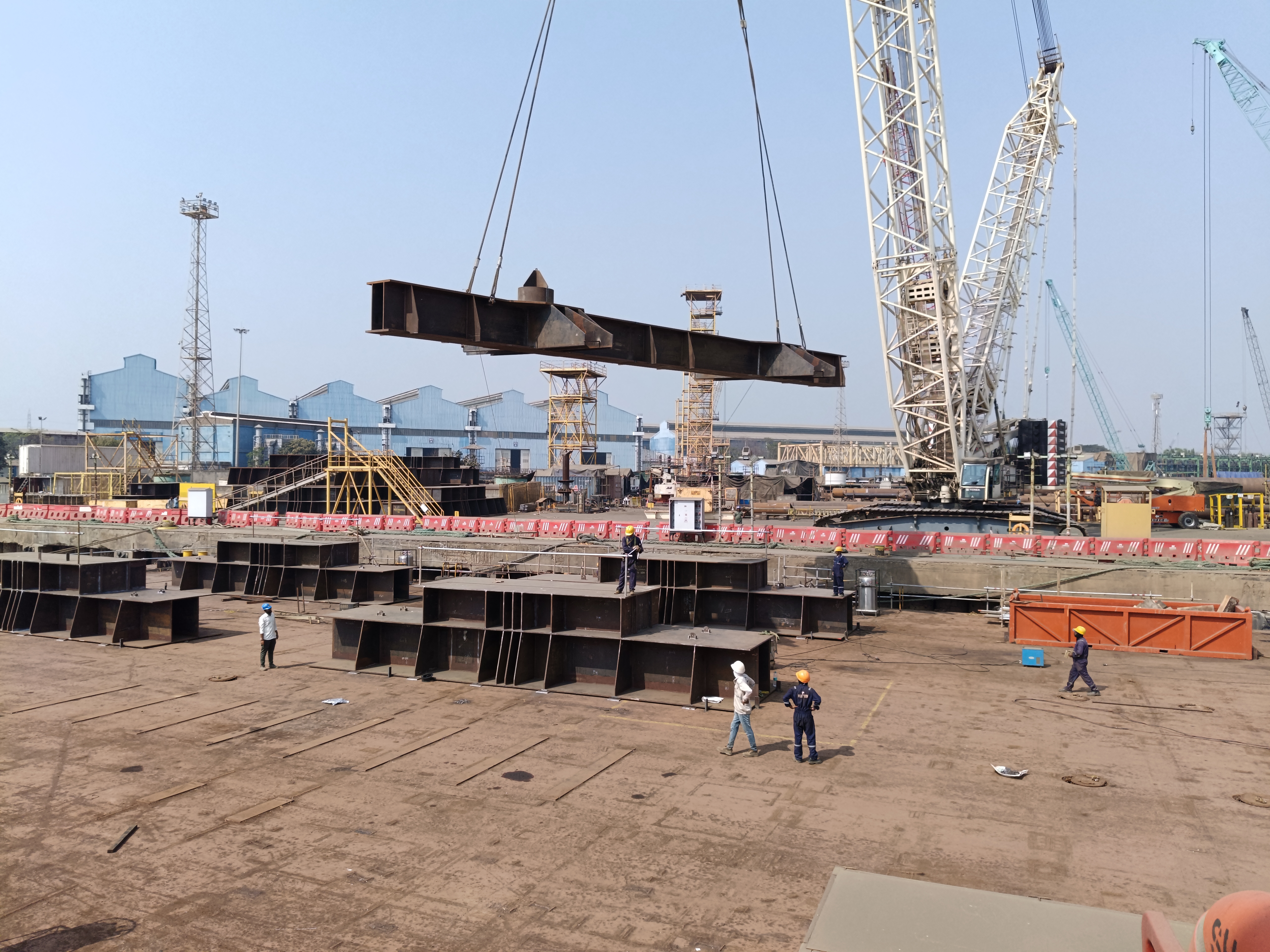
India is also a global leader in sustainable ship recycling, with the Alang-Sosiya cluster being the world’s largest ship recycling hub, featuring 115 Hong Kong Convention-compliant yards. Policies like the Ship Recycling Credit Note further promote recycling and strengthen the circular economy, boosting domestic shipbuilding and environmentally sound practices. Additionally, the Government’s four-pillar approach to revitalising shipbuilding—covering financial assistance, development funding, capacity expansion, and policy reforms—aims to enhance domestic shipbuilding capabilities and industrial competitiveness. Sustainability is not just an environmental priority but a strategic driver for growth across shipbuilding, recycling, green fuel production, and global maritime services.
Digitalization
Digitalisation is another key driver, shaping the development of a Smart Maritime Ecosystem. As ports and shipping operations grow more complex, digitalisation has become essential for efficiency, transparency, and cost optimisation. A smart maritime ecosystem integrates ports, shipping lines, logistics providers, regulators, and hinterland transport into a unified digital framework, enabling faster decision-making and reducing costs.
Key initiatives include end-to-end digital platforms like E-Samudra and the Maritime Single-Window, which minimise manual interventions, enable paperless clearances, and improve coordination among stakeholders, reducing vessel turnaround times and logistics costs. Other advancements, such as e-governance platforms, integrated vessel traffic management systems, and digital cargo tracking, are enhancing predictability and reliability in maritime operations.

Digitalisation also strengthens regulatory oversight and transparency. Real-time data sharing allows authorities to monitor compliance, environmental performance, and safety standards more effectively. As digital systems expand, cybersecurity and data governance are becoming critical to ensure resilience and trust in the maritime ecosystem.
Together, sustainability and digitalisation are transforming India’s maritime sector, positioning it for long-term growth and global leadership.
2. The Coastal Shipping Bill, 2025, introduces both a National Coastal & Inland Shipping Strategic Plan and a National Database for Coastal Shipping. How do these two provisions work together to transform India’s coastal shipping ecosystem?
The Coastal Shipping Bill, 2025, establishes a strong foundation for the growth of India’s maritime logistics through two key provisions: the National Coastal & Inland Shipping Strategic Plan and the National Database for Coastal Shipping (NDCS).
The Strategic Plan provides a comprehensive roadmap for infrastructure development, regulatory reforms, capacity building, and multimodal connectivity across coastal and inland waterways. It ensures that policy direction is structured, forward-looking, and aligned with national goals, such as increasing coastal cargo to 230 million metric tonnes by 2030 and boosting domestic vessel participation.
The NDCS, on the other hand, serves as a centralised, real-time data system that tracks vessel activity, cargo movements, licensing, and compliance. By offering transparent and regularly updated information, it enhances planning accuracy, streamlines regulatory oversight, and builds investor confidence by making government priorities clear and predictable.
Together, these provisions create a unified framework that supports evidence-based policymaking, targeted investments, improved supply chain reliability, and better coordination among stakeholders. This integrated approach is essential for developing a modern, competitive, and resilient coastal shipping ecosystem in India.
3. Safety of life and ships is one of the paramount responsibilities of the Directorate General of Shipping. Given that India’s coastline and maritime industry are among the largest in the world, how do you manage to ensure everything is in order?
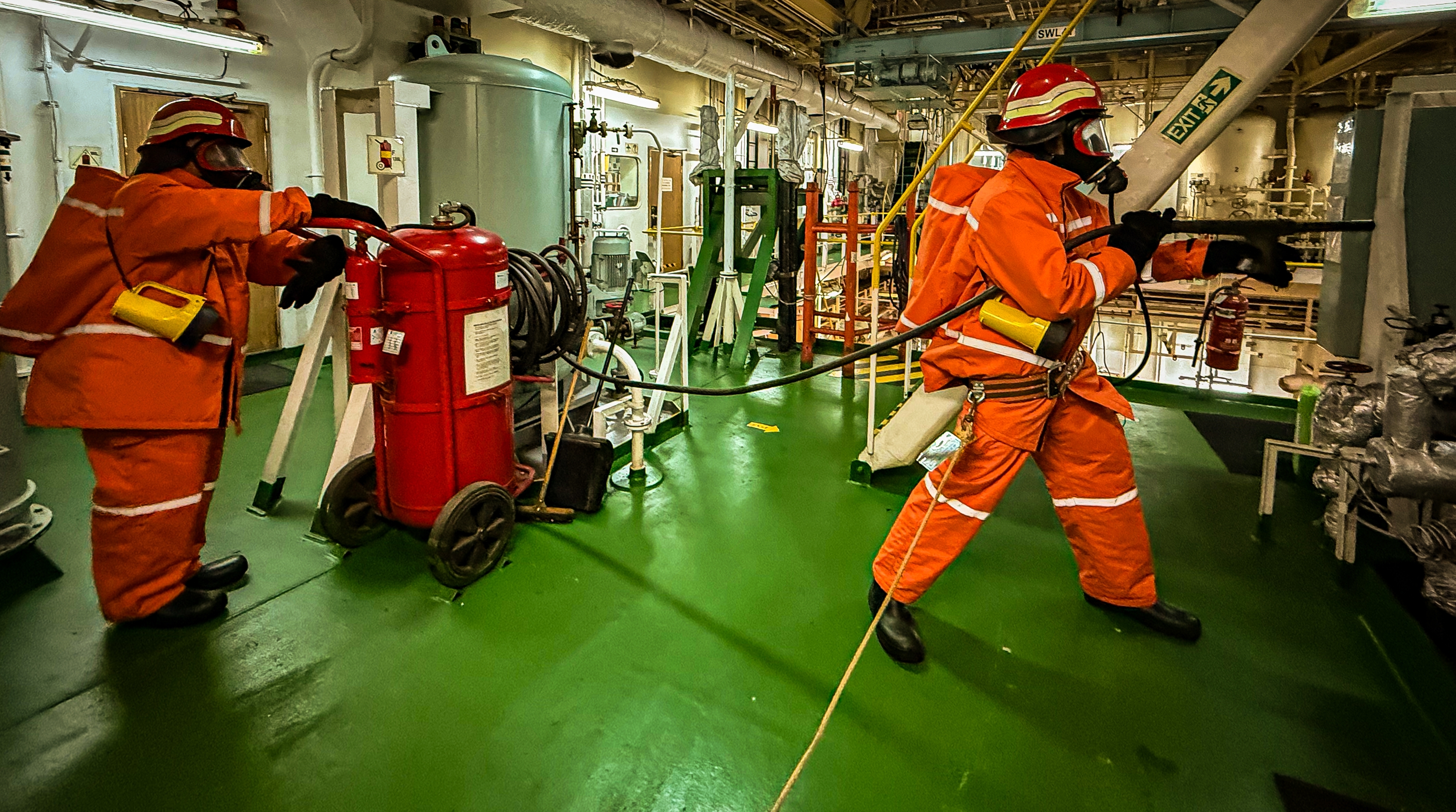
The Directorate General of Shipping (DGS) ensures safety through an integrated regulatory, inspection, and learning-based framework covering the full life cycle of a ship and seafarer. The new Merchant Shipping Act, 2025, consolidates maritime law to fully align with IMO conventions like SOLAS, MARPOL, STCW, and others, including the Nairobi Wreck Convention and Ballast Water Management Convention, enabling streamlined enforcement.
Indian maritime operations are committed to ensuring zero-accident operations and are continually engaging with “Suraksha Sarvapratham,” an initiative that embodies “Safety as paramount—above all.” This initiative catalyses an appropriate blend of maritime training, operational oversight, casualty investigations, and regulatory supervision. Separately, the Directorate General of Shipping is dedicated to accident-proofing and addressing maritime casualties diligently while also coordinating with lead agencies like the Coast Guard for Maritime Rescue Coordination Centres (MRCCs), which are specialized units responsible for coordinating search and rescue (SAR) operations at sea, ensuring the safety of mariners and fishermen, and the Indian Navy for security and critical support for all maritime operations.
As flag, port, and coastal State administration, we enforce these measures via risk-based surveys, audits, casualty investigations, and seafarer certification, while coordinating with the Indian Coast Guard.
Our operational oversight is further strengthened through technology-enabled monitoring systems. The Indian National Data Centre for Long-Range Identification and Tracking (LRIT) allows secure satellite-based tracking of Indian-flagged vessels on international voyages, enhancing situational awareness for search and rescue, security, and environmental protection by providing reliable positional data to national authorities.
Similarly, the DG Comm Centre, designated as India’s Maritime Assistance Service, operates round-the-clock as a communication and incident-response hub. It facilitates the early dissemination of safety, security, and pollution-related information, ensuring coordinated action among ships, ports, and maritime agencies during emergencies.
To reinforce this operational framework, we are investing in continuous capacity building across the maritime sector. We regularly disseminate safety advisories, casualty-related learnings, and compliance guidance through structured outreach channels, ensuring that seafarers and stakeholders remain well-informed and aligned with evolving best practices. Data-driven monitoring, active IMO engagement, and lessons derived from incident investigations, among other areas, collectively drive ongoing system improvements.
4. What major challenges affect shipping routes involving Indian vessels, and how effectively has the world, particularly through India’s Directorate General of Shipping (DGS), addressed the issue of maritime security?
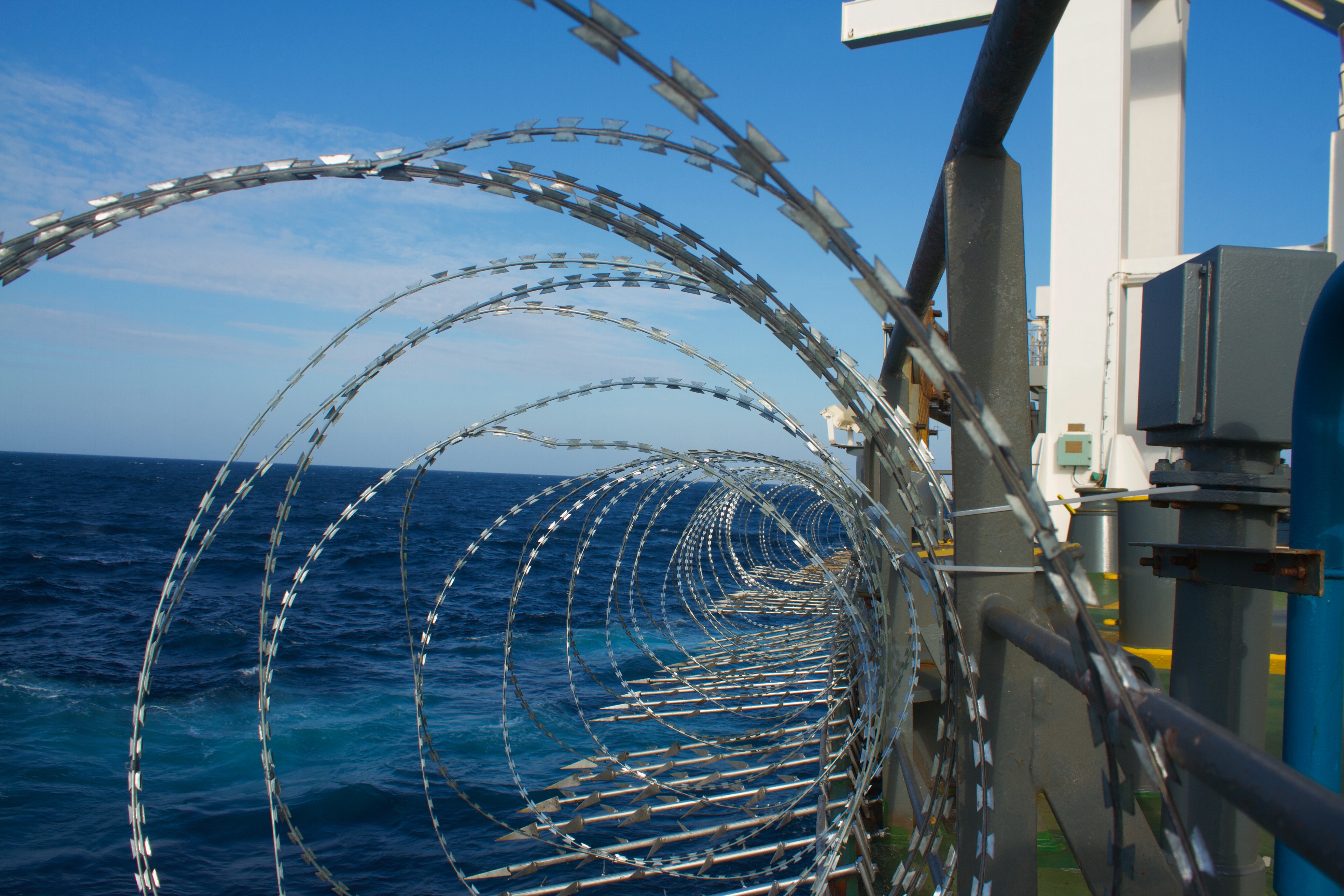
The biggest challenge to shipping routes involving Indian vessels today is the resurgence of maritime piracy, particularly in the Indian Ocean Region (IOR), including highrisk areas such as the Gulf of Aden, Somali Basin.
The Indian coast is also a major maritime route for crude oil imports, not only destined for India but also for other countries like China and Japan, involving significant tanker traffic where risks include navigational hazards, geopolitical tensions and environmental hazards.
India’s Directorate General of Shipping (DGS) is strengthening antipiracy measures through:
- DGS Circular No. 25 of 2025, advising fortified citadels, CCTV, real-time connectivity, and BMP-MS compliance.
- ISPScompliant, establishing 44 Life Raft Service Stations, and onboarding 83 ports into the MSW system.
DGS Circular No. 25 of 2025 – Gulf of Guinea Piracy:
DGS issued a dedicated antipiracy circular addressing rising incidents in the Gulf of Guinea, including:
- Technical recommendations like fortified citadel design and CCTV integration
- Emphasis on realtime connectivity
- Mandatory adherence to updated Best Management Practices (BMPMS)
- Enhanced vessel preparedness and compliance monitoring
5. Cybersecurity is another challenge that needs global attention. Is the Indian shipping industry fully equipped to deal with this challenge?
Cybersecurity has become a defining challenge for the global maritime industry. As vessels, ports, and regulatory platforms grow increasingly digitised and interconnected, cyber risk now directly impacts operational continuity, safety, environmental protection, and national security. Recognising this shift, the International Maritime Organisation has mandated the integration of cyber risk management into Safety Management Systems under the ISM Code, reinforcing that cybersecurity is a safety governance obligation, not merely an IT enhancement.

In this evolving global landscape, the Indian shipping industry is progressing steadily, though the journey toward full cyber resilience is ongoing. Rapid digital transformation across maritime services historically outpaced cybersecurity modernisation, resulting in legacy dependencies and uneven maturity levels across stakeholders. However, there is now a clear structural shift toward risk-based governance and accountability.
At the regulatory level, the Directorate General of Shipping (DGS) has undertaken enterprise-wide cybersecurity assessments, formalised unified policy and control frameworks aligned with national and international guidelines and initiated phased implementation of technical and operational safeguards. The focus is moving beyond compliance documentation to measurable control deployment, centralised monitoring, vendor governance, and resilience planning for mission-critical systems.
While modernisation of legacy platforms and strengthening of supply chain oversight remain priorities, the current trajectory reflects advancing maturity. The Indian maritime ecosystem is transitioning from reactive cyber hygiene to structured, governance-driven resilience. With sustained implementation and alignment to global best practices, DGS is positioning India’s shipping sector to meet emerging cyber risks with increasing preparedness and strategic clarity.
6. Environmentally sustainable movement of cargo is easier said than done. Do Indian vessels meet global standards on this front?
Yes, Indian vessels operate in accordance with global environmental standards and comply with the International Maritime Organisation’s regulatory framework.
As a responsible Flag State, India ensures that Indian-flagged vessels comply with key international environmental conventions, particularly MARPOL, through statutory surveys, certification, and continuous oversight by the Directorate General of Shipping and recognized organizations. Indian vessels regularly trade internationally and are subject to Port State Control inspections worldwide, where compliance with environmental standards is rigorously verified.
India follows a structured and progressive approach towards the adoption and implementation of global environmental regulations, ensuring that its regulatory framework remains aligned with international best practices while taking into
account national considerations and implementation readiness.
In parallel, India is actively promoting environmentally sustainable shipping through measures such as improving energy efficiency,
supporting the adoption of alternate fuels, and developing a comprehensive framework under the National Green Shipping Policy. These efforts are aimed at enabling a practical and phased transition towards greener maritime operations.
Overall, Indian shipping operates in line with internationally accepted environmental standards, and India remains fully committed to strengthening sustainability and environmental protection across its maritime sector.
7. What reforms are being worked on in the examination and assessment process in MTIs?
The examination reform project introduces a comprehensive digital system that standardises every stage of the assessment process, ranging from registration and eligibility checks to seat booking, exam conduct, evaluation, and certification, to ensure greater transparency and uniformity. It replaces manual processes with automated workflows, introduces barcoded answer booklets and high-speed digital scanning for centralised, unbiased evaluation, and strengthens integrity through a dedicated misconduct monitoring module and real-time surveillance at examination centres.
Combined with a uniform IT infrastructure across all MMDs and a secure, nationally coordinated digital platform developed by C-DAC and NTA, the reforms create a more secure, efficient, and tamper-proof examination ecosystem.
8. India has a large pool of seafarers. Do you think this trained manpower is fully utilised?
India’s large pool of trained seafarers is not fully utilised due to structural inefficiencies rather than a lack of capability. While the country produces a significant number of qualified officers, mismatches between training output and global demand, limited availability of sea-time berths, uneven training quality across institutes, regulatory delays, and intense international competition restrict employment opportunities.
Many trained seafarers are further sidelined because their skills are not sufficiently absorbed into shore-based maritime, offshore, port, logistics, and allied sectors.
As a result, despite India’s strong reputation for technical competence and English proficiency, systemic gaps in workforce planning and industry integration prevent the optimal utilisation of this manpower.
9. How can job prospects for the trained Indian seafarers be increased in other countries? Does DG Shipping have tie-ups with international maritime employers for hiring Indian talent?
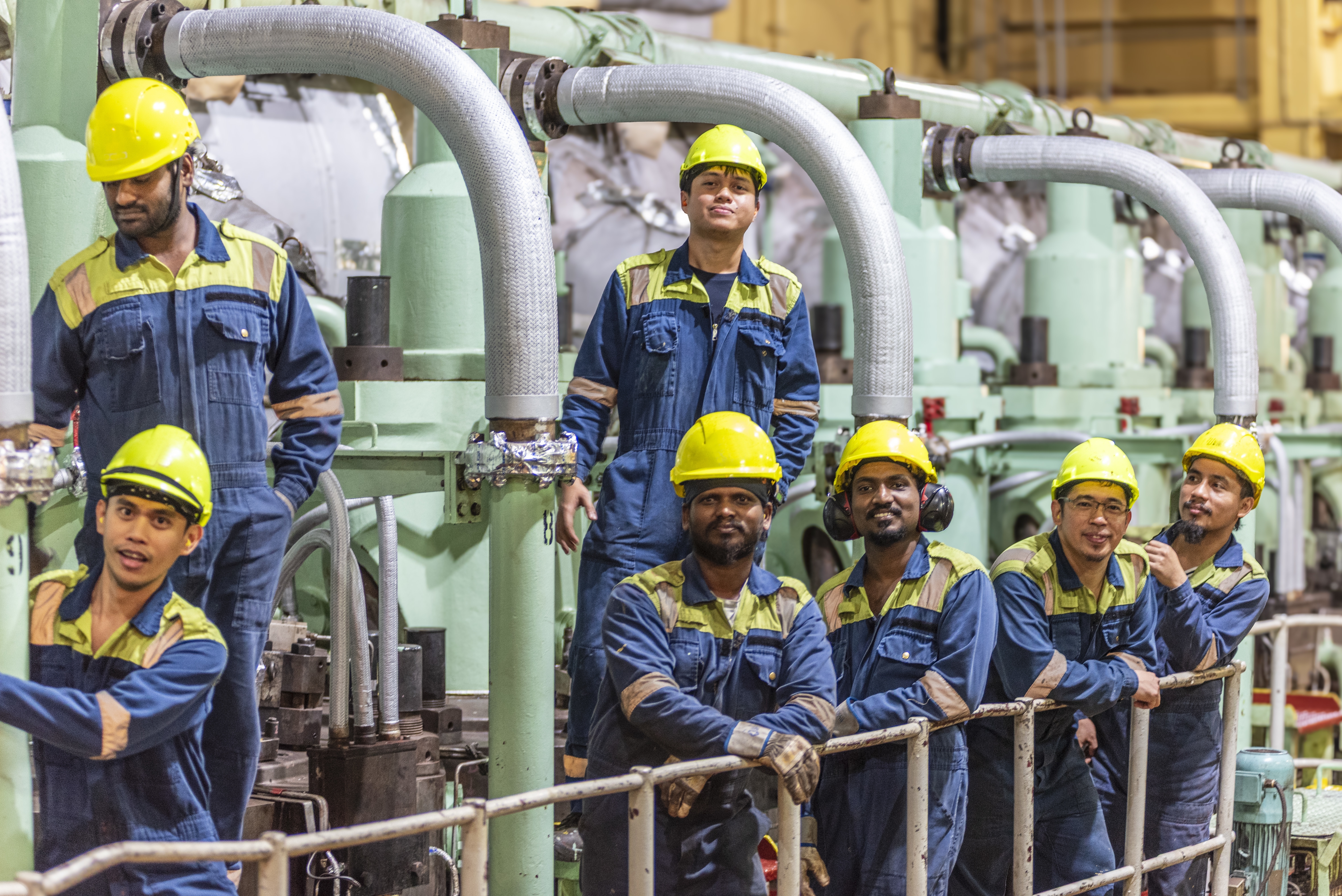
India can boost overseas job prospects for its trained seafarers by expanding and improving access to shipboard training through four key measures: increasing training berths on Andaman & Nicobar passenger vessels, incentivizing FOSMA-MASSA foreign-flag vessels to embark more Indian cadets, reviving SCI’s cadet training scheme on future vessels, and establishing the National Maritime Training & Technology Demonstration Ship (NMTTDS) to produce around 600 well-trained cadets annually with modern, globally relevant competencies. Together, these initiatives strengthen India’s training capacity and help create a steady supply of internationally employable seafarers.
Among these, the most impactful measure for enhancing job prospects in other countries is the FOSMA-MASSA foreign-flag vessel incentive framework. DG Shipping is actively facilitating this by working with foreign shipowner associations to identify berth availability, offer financial and regulatory incentives such as tax benefits, port-fee reductions, subsidies, and operational flexibility, and provide centralised placement assistance. This targeted engagement encourages international maritime employers to take more Indian trainees on board, directly improving their visibility, sea-time opportunities, and long-term employability in the global shipping industry. While DG Shipping does not execute direct hiring tie-ups, this structured collaboration effectively serves as the mechanism through which Indian talent gains greater international employment access.
10. Despite growing gender equality in most professions, women remain severely underrepresented in the maritime industry. What are the challenges in employing women in this field, and how can this situation be improved?
Current share of women seafarers in India: Less than 0.5%
MIV 2030 target: Increase women’s participation to 2-3% by 2030
Growth achieved: A 339% rise in women seafarers, from 1,599 in 2021 to 7,033 in 2025
Women face several challenges in pursuing careers in the maritime industry, including:
- Deep-rooted gender bias and stereotypes that discourage women from sea-going roles.
- Limited institutional support during training and early career stages.
- Safety concerns and harassment onboard ships.
- Low trust in grievance redressal mechanisms.
- Inadequate gender-responsive infrastructure onboard and ashore.
- Slower career progression, unequal access to training and sea-time, work-life balance challenges, and limited mental health support at sea.
To address these issues, DG Shipping is adopting a comprehensive strategy, which includes:
- Promoting gender-inclusive policies across maritime institutions.
- Encouraging women’s enrollment through targeted outreach programs like Sagar Mein Samman.
- Enforcing zero-tolerance policies against harassment and strengthening confidential grievance mechanisms.
- Improving gender-responsive infrastructure onboard ships and at shore facilities.
- Ensuring equal access to training, sea-time, and promotions.
- Providing enhanced mental health support for women at sea.
- Integrating gender equity into national policies and frameworks aligned with STCW standards.
These measures aim to create a more inclusive and supportive environment for women in the maritime industry, helping to achieve the MIV 2030 target and ensuring sustainable growth in gender representation.
11. How is the structured wellness framework integrating yoga, mindfulness, and resilience being institutionalised within the STCW ecosystem, and what measurable outcomes are targeted across pre-sea, post-sea, and at-sea phases?
The initiative is being implemented through Sagar Mein Yog, a wellness program aimed at improving physical health, emotional resilience, mindfulness, and overall well-being in maritime training.
This is being institutionalised through formal STCW approvals for the curriculum, specialised training programs for instructors at Maritime Training Institutes, and the inclusion of yoga-based modules in existing training courses. The rollout is structured in three phases: pre-sea sensitisation to introduce wellness practices, post-sea reinforcement to ensure continuity, and at-sea support through a Learning Management System.
A monitoring and evaluation system is being developed to measure participation, gather feedback, track behavioural changes, and assess long-term well-being outcomes. The overarching goal is to enhance safety, reduce stress, improve workforce retention, and strengthen the readiness of India’s seafaring community.
12. Many a time, maritime placement agencies cheat prospective seafarers with misleading claims, landing them in trouble. Many of them are abandoned in foreign lands. How can job seekers avoid such traps?
Seafarers must engage only with valid, DG Shipping–licensed Recruitment and Placement Services Licence (RPSL) companies, whose status is available on the official DG Shipping website. It is essential to independently verify the RPSL status before any interaction, submission of documents, or financial transactions, and to strictly avoid agencies that are invalid or temporarily blocked. Employment offers made through WhatsApp, social media, or informal intermediaries should not be entertained, and seafarers must never pay money for job placement or processing. Before departure, only system-generated and genuine Form-I / IA / IB issued by a valid RPSL should be accepted, and the Emigrant Application Reference Number (ARN) must be correctly linked to the passport and verified on the eMigrate portal.
A vessel-acknowledgement feature has been added to each seafarer’s profile, requiring them to digitally confirm the authenticity of the vessels they are joining, thereby ensuring accurate records with DG Shipping. Seafarers are strongly advised not to hand over passports or CDCs to unauthorised persons, to retain copies of all employment and travel documents, and to report any suspicious recruitment activity immediately to the Directorate General of Shipping or local authorities. Strict adherence to these prescribed procedures is essential, as engaging through unauthorised channels exposes seafarers to exploitation, abandonment abroad, and loss of regulatory protection.
In addition to these precautions, DG Shipping has introduced four new digital modules to further enhance safety for job-seeking seafarers and reduce the risk of fraud, misinformation, and exploitation. The MTI Module verifies all training and certificates digitally, preventing fake course claims by fraudulent agents. The RPSL Module provides real-time status of licensed recruiters, helping seafarers confirm genuine placement agencies. INDoS Integration ensures a single digital identity for seafarers, making all records authentic and tamper-proof. The 24×7 Grievance Module allows quick reporting of suspicious agencies with traceable action, while the Crisis Module enables swift verification and support if a seafarer is misled or abandoned abroad. These measures significantly strengthen protection against fraud and exploitation.
13. Is DG Shipping doing enough to structurally resolve the growing seafarer abandonment crisis?
The growing seafarer abandonment crisis requires structural corrections across regulation, enforcement, finance, and international coordination. To address this, DG Shipping has strengthened the legal framework by introducing statutory powers under the Merchant Shipping Act. These powers enable the Government and Indian Missions to directly intervene in abandonment cases, ensuring repatriation, providing basic necessities, and recovering wages and compensation from shipowners or their agents.
Enforcement measures have been firm, with 72 RPSLs suspended and 47 blocked in 2025–26. Immediate blocking of agencies upon notification of abandonment has become standard protocol, and blacklisting repeat-offending vessels is under active consideration. Additionally, inspections, audits, and stricter approval processes have been enhanced to improve oversight.
Financial safeguards have also been reinforced. Higher bank guarantee requirements and the creation of repatriation funds provide better financial security. Under the SWFS Ex-Gratia Support Scheme, nominees of stranded or abandoned seafarers now receive ₹20,000 per month for up to 12 months, an increase from ₹10,000, effective January 2026.
At the international level, India has raised concerns at the 113th session of the IMO Legal Committee regarding the verification of financial security under MLC 2006, advocating for stronger global accountability mechanisms. Furthermore, a third-party independent audit of abandonment cases and the concerned RPSL companies is under consideration. This audit will provide actionable findings for each case, helping to identify systemic gaps and significantly reduce such incidents in the future.
These combined measures are designed not only to respond to abandonment cases but also to deter non-compliance, strengthen oversight, and provide financial and welfare assurance to Indian seafarers and their families. In 2025, authorities facilitated the repatriation of 988 seafarers and 108 vessels, reflecting the impact of these efforts.
14. Maritime education and training play a key role in the success of a seafarer. Do you think the quality of training provided by Indian institutes is on par with the international standards?
Maritime education and training are critical to a seafarer’s success, and in India, the quality of training is broadly aligned with international standards but remains uneven. Top-tier Indian maritime institutes deliver training that complies with STCW requirements and produce officers who are well regarded globally for their technical competence and English proficiency. However, disparities in infrastructure, faculty expertise, practical exposure, and assessment quality across institutes affect consistency. Limited sea-time opportunities and a stronger focus on examinations than on competency-based training also impact readiness.
Overall, while India can match international standards, stronger quality control and industry integration are needed to ensure uniform excellence across all institutions.
15. What are the key shipbuilding initiatives undertaken in India, and how do they align with the targets set under the Maritime India Vision (MIV) 2030 and Maritime Amrit Kaal Vision (MAKV) 2047?
India’s shipbuilding sector is undergoing significant growth, driven by long-term national strategies and targeted government initiatives to boost industrial capacity, global competitiveness, and technological advancement. Under the Maritime India Vision (MIV) 2030, the goal is to position India among the top 10 shipbuilding nations, achieve an annual production of 0.6 million gross tonnage (GT), create over 20 lakh jobs, and attract ₹3–3.5 lakh crore in investments. These targets are further scaled under the Maritime Amrit Kaal Vision (MAKV) 2047, which envisions India becoming one of the top 5 global shipbuilding hubs, producing 4.5 million GT annually, creating 1.5 crore jobs, and drawing ₹75–80 lakh crore in investments. Achieving these ambitious goals requires a strong ecosystem of shipyards, ancillary industries, skilled manpower, and financing mechanisms.
To support this transformation, the Ministry has launched key initiatives with a combined allocation of ₹69,725 crore to address challenges like cost competitiveness, credit access, and capacity development. The Shipbuilding Financial Assistance Scheme (₹24,736 crore) provides direct financial support to shipyards for vessel construction, reducing capital burdens, improving price competitiveness, and boosting demand by strengthening order books for Indian shipyards.
The Maritime Development Fund, with ₹25,000 crore, includes a ₹20,000 crore Maritime Investment Fund and a ₹5,000 crore Interest Incentivization Fund. This fund lowers borrowing costs, improves access to long-term credit, and encourages private and institutional investments in shipbuilding and repair facilities, addressing financial viability and expansion challenges.
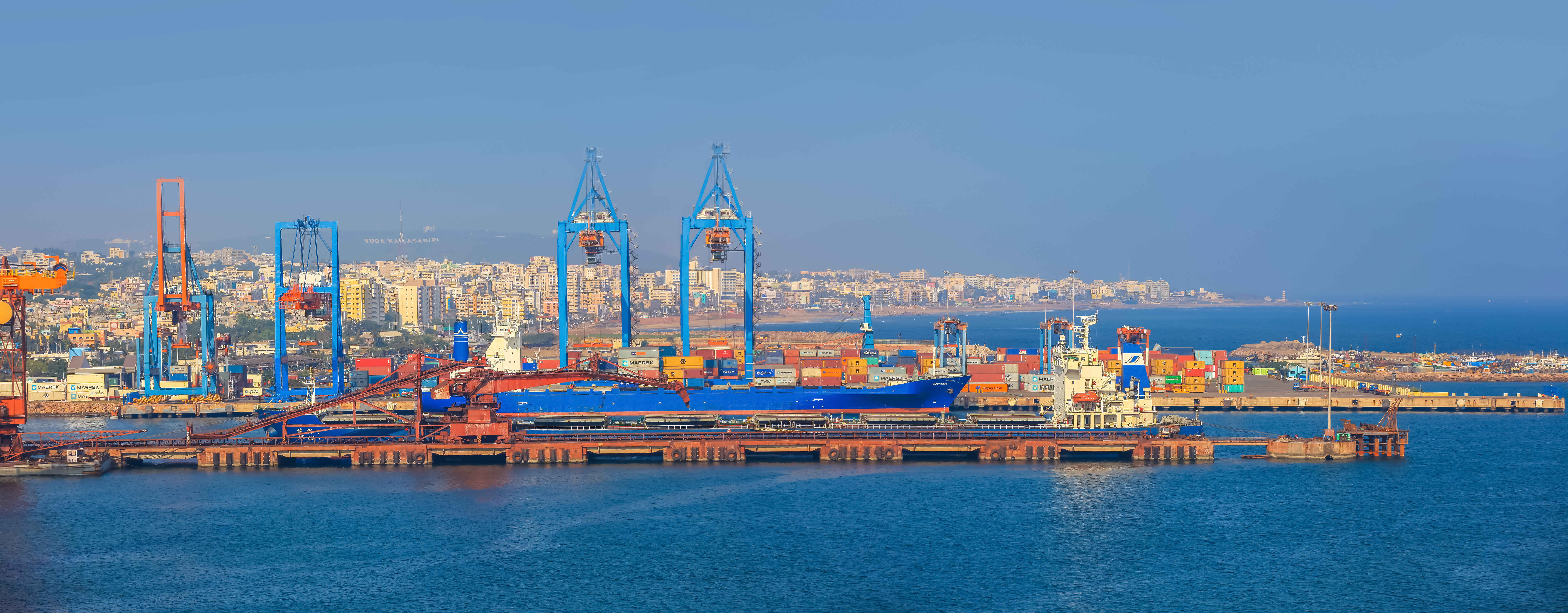
Another major initiative is the Shipbuilding Development Scheme (₹19,989 crore), which focuses on modernising existing shipyards (brownfield) and creating new infrastructure (greenfield). A key feature of this scheme is the development of shipbuilding clusters—integrated hubs that bring together shipyards, ancillary industries, marine equipment suppliers, design centres, and logistics infrastructure. These clusters aim to improve economies of scale, streamline supply chains, reduce production timelines, and provide shared facilities for testing and certification, enhancing global competitiveness.
Together, these initiatives represent India’s most comprehensive effort to transform its shipbuilding sector. By aligning sustained investments with the long-term goals of MIV 2030 and MAKV 2047, India is positioning itself to become a leading global shipbuilding and marine manufacturing powerhouse by 2047.